

Why Protein Is Essential While Taking a GLP-1
GLP-1 medications like semaglutide (Ozempic, Wegovy) and tirzepatide (Mounjaro, Zepbound) are remarkably effective at reducing appetite and driving weight loss. But there’s a critical nutritional challenge that most GLP-1 users don’t fully appreciate until they’re already dealing with the consequences: when you eat dramatically less food, you’re almost certainly eating dramatically less protein — and that’s a serious problem.
Protein isn’t just another macronutrient. On a GLP-1, it’s the most important nutritional priority you have. Here’s exactly why — and what to do about it.
What GLP-1 Medications Do to Your Appetite (And Your Protein Intake)
GLP-1 medications work by mimicking the GLP-1 hormone, which signals fullness to your brain, slows gastric emptying, and reduces appetite. The result: most users experience a dramatic reduction in hunger and food intake — often eating 30-50% fewer calories than before starting the medication.
This is exactly what makes GLP-1s so effective for weight loss. But here’s the problem: when you eat less food, you eat less of everything — including protein. And when appetite is suppressed, most people naturally gravitate toward easy-to-eat, low-effort foods: crackers, fruit, small snacks, soft foods. These are almost universally low in protein.
The result: many GLP-1 users are consuming 800–1,200 calories per day with only 40–60g of protein — a fraction of what’s needed to protect their health and body composition during weight loss.
The 5 Reasons Protein Is Non-Negotiable on a GLP-1
1. Protein Prevents Muscle Loss
This is the most urgent reason. When you’re in a significant calorie deficit — which is exactly what GLP-1 medications create — your body doesn’t just burn fat for energy. It also breaks down muscle tissue for fuel. This process is called muscle catabolism, and it’s one of the most significant risks of rapid weight loss.
Research on GLP-1 medications has shown that a meaningful percentage of the weight lost — in some studies 25–40% — can come from lean muscle mass rather than fat. That means for every 10 pounds lost, 2.5–4 pounds could be muscle. Over a significant weight loss journey, this adds up to a substantial loss of lean mass that has real consequences for your health, metabolism, and quality of life.
Adequate protein intake is the primary nutritional defense against muscle catabolism. Protein provides the amino acids your body needs to maintain muscle tissue even in a calorie deficit. Without enough protein, muscle loss is essentially inevitable during significant weight loss.
2. Protein Protects Your Metabolism
Muscle is metabolically active tissue — it burns calories at rest. The more muscle you have, the higher your resting metabolic rate (RMR) and the more calories you burn throughout the day without doing anything. Losing muscle during weight loss directly lowers your metabolism, which creates a vicious cycle:
- You lose weight → some of that weight is muscle → your metabolism slows → weight loss stalls → you need to eat even less to continue losing → you lose more muscle
This is one of the primary reasons people regain weight after stopping GLP-1 medications — they’ve lost significant muscle mass during the weight loss phase, which has permanently lowered their metabolism. Protecting muscle with adequate protein intake is the most effective way to prevent this outcome.
3. Protein Keeps You Fuller Longer
Protein is the most satiating macronutrient — it takes longer to digest than carbohydrates, triggers satiety hormones more effectively, and helps maintain stable blood sugar levels. Even on a GLP-1, where appetite is already suppressed, prioritizing protein in your limited food intake helps you stay satisfied between meals and reduces the likelihood of reaching for low-nutrient snacks.
This is especially important as GLP-1 doses are adjusted or if you experience periods of reduced medication effectiveness. A high-protein diet provides a natural satiety buffer that supports your weight loss goals independent of the medication.
4. Protein Supports Skin Health During Rapid Weight Loss
Rapid weight loss — which GLP-1 medications can produce — is associated with skin laxity and the appearance of loose skin, particularly in areas of significant fat loss. Protein is the primary building block of collagen and elastin — the structural proteins that give skin its firmness and elasticity.
Adequate protein intake during weight loss supports collagen synthesis and helps your skin adapt to the changes in your body composition. It won’t eliminate loose skin entirely, but it’s one of the most important nutritional factors for minimizing it.
5. Protein Supports Immune Function and Recovery
Protein is essential for immune function, enzyme production, hormone synthesis, and virtually every biological process in your body. When protein intake is chronically low — as it often is in GLP-1 users who aren’t actively prioritizing it — these functions are compromised. Fatigue, slower recovery, increased susceptibility to illness, and impaired wound healing are all potential consequences of inadequate protein intake during significant calorie restriction.
How Much Protein Do You Actually Need on a GLP-1?
The standard protein recommendations for sedentary adults (0.36g per pound of body weight) are completely inadequate for someone in a significant calorie deficit on a GLP-1. Here’s what the research supports for people actively trying to preserve muscle during weight loss:
| Goal | Protein Target | Example (180 lb person) |
|---|---|---|
| Minimum for muscle preservation | 0.7g per lb of body weight | 126g per day |
| Optimal for muscle preservation | 0.8–1.0g per lb of body weight | 144–180g per day |
| Active resistance training | 1.0–1.2g per lb of body weight | 180–216g per day |
For most GLP-1 users, hitting even the minimum target of 0.7g per pound is a significant challenge when total calorie intake is 800–1,200 calories per day. This is why protein powder isn’t optional — it’s essential.
Why Protein Powder Is the Most Important Supplement on a GLP-1
Getting 130–180g of protein per day from whole food alone is difficult under normal circumstances. When your appetite is suppressed by a GLP-1 and you’re eating 800–1,200 calories per day, it’s nearly impossible without protein powder.
Here’s why protein powder is uniquely suited to the GLP-1 user’s situation:
High Protein, Minimal Volume
A single scoop of whey protein delivers 25–30g of high-quality protein in 4–6oz of liquid. When you can barely eat a full meal, a protein shake gives you a meaningful protein dose without requiring you to eat a large volume of food. It’s the most calorie-efficient way to hit your protein targets.
Easy to Consume When Appetite Is Low
Solid food can feel unappealing or difficult to eat when GLP-1 medications are suppressing appetite and slowing gastric emptying. A protein shake is liquid, easy to sip, and gentle on the stomach — making it one of the most practical protein sources for GLP-1 users who struggle with solid food.
Complete Amino Acid Profile
Whey protein is a complete protein — it contains all nine essential amino acids, including leucine, the amino acid most responsible for triggering muscle protein synthesis. Getting adequate leucine is critical for signaling your body to preserve and build muscle, and whey protein delivers it in the most bioavailable form available.
Flexible and Versatile
Protein powder can be mixed into shakes, stirred into Greek yogurt, blended into smoothies, or mixed into cream of rice. This versatility makes it easy to add protein to whatever small amounts of food you are eating, without requiring a separate meal or significant additional volume.
Practical Strategies for Hitting Your Protein Targets on a GLP-1
Protein First at Every Meal
When appetite is limited and you can only eat a small amount, eat your protein source first. If you fill up on crackers, fruit, or bread before getting to your protein, you’ll miss your targets. Protein first — always.
Make Every Calorie Count
With limited calorie intake, prioritize high-protein, nutrient-dense foods: Greek yogurt, cottage cheese, eggs, chicken breast, fish, and protein shakes. Minimize empty-calorie foods that provide calories without meaningful protein.
Use Protein Shakes as Meal Replacements
On days when appetite is very low and eating feels difficult, a protein shake can serve as a complete meal replacement. Two scoops of whey protein in milk delivers 50–60g of protein and 300–400 calories — a meaningful nutritional contribution even on your lowest appetite days.
Distribute Protein Throughout the Day
Research shows that muscle protein synthesis is maximized when protein is distributed across multiple meals rather than consumed in one or two large doses. Aim for 30–40g of protein per meal or snack, 3–5 times per day. This is much more achievable with protein shakes filling the gaps between smaller whole food meals.
Add Protein Powder to Everything
Stir unflavored or vanilla protein powder into Greek yogurt, oatmeal, cream of rice, or smoothies. This is one of the easiest ways to boost protein intake without adding significant volume or requiring a separate meal.
The Best Protein Sources for GLP-1 Users
| Protein Source | Protein per Serving | Why It Works for GLP-1 Users |
|---|---|---|
| Whey Protein Isolate | 25–30g per scoop | Fast-digesting, easy to consume, complete amino acid profile |
| Greek Yogurt (non-fat) | 15–20g per cup | Soft, easy to eat, high protein density |
| Cottage Cheese | 25g per cup | High protein, soft texture, easy to eat in small amounts |
| Eggs | 6g per egg | Versatile, easy to prepare, complete protein |
| Chicken Breast | 35g per 4oz | Highest protein density of any whole food |
| Casein Protein | 24–28g per scoop | Slow-digesting — ideal before bed to prevent overnight muscle breakdown |
| Fish (tuna, salmon) | 25–30g per 4oz | High protein, easy to digest, anti-inflammatory omega-3s |
A Sample High-Protein Day on a GLP-1
Here’s what a realistic high-protein day looks like for a GLP-1 user eating 1,000–1,200 calories:
- Morning: 1 scoop whey protein in 8oz milk + ½ cup Greek yogurt — ~45g protein, ~300 calories
- Midday: 4oz chicken breast + small side salad — ~35g protein, ~250 calories
- Afternoon: 1 scoop whey protein shake — ~25g protein, ~150 calories
- Evening: ½ cup cottage cheese + ½ cup Greek yogurt — ~30g protein, ~200 calories
- Before bed: 1 scoop casein protein — ~25g protein, ~120 calories
Total: ~160g protein, ~1,020 calories — hitting a strong protein target within a very limited calorie budget, with protein powder doing the heavy lifting at three of the five eating occasions.
Shop Protein Powders at NF Supps
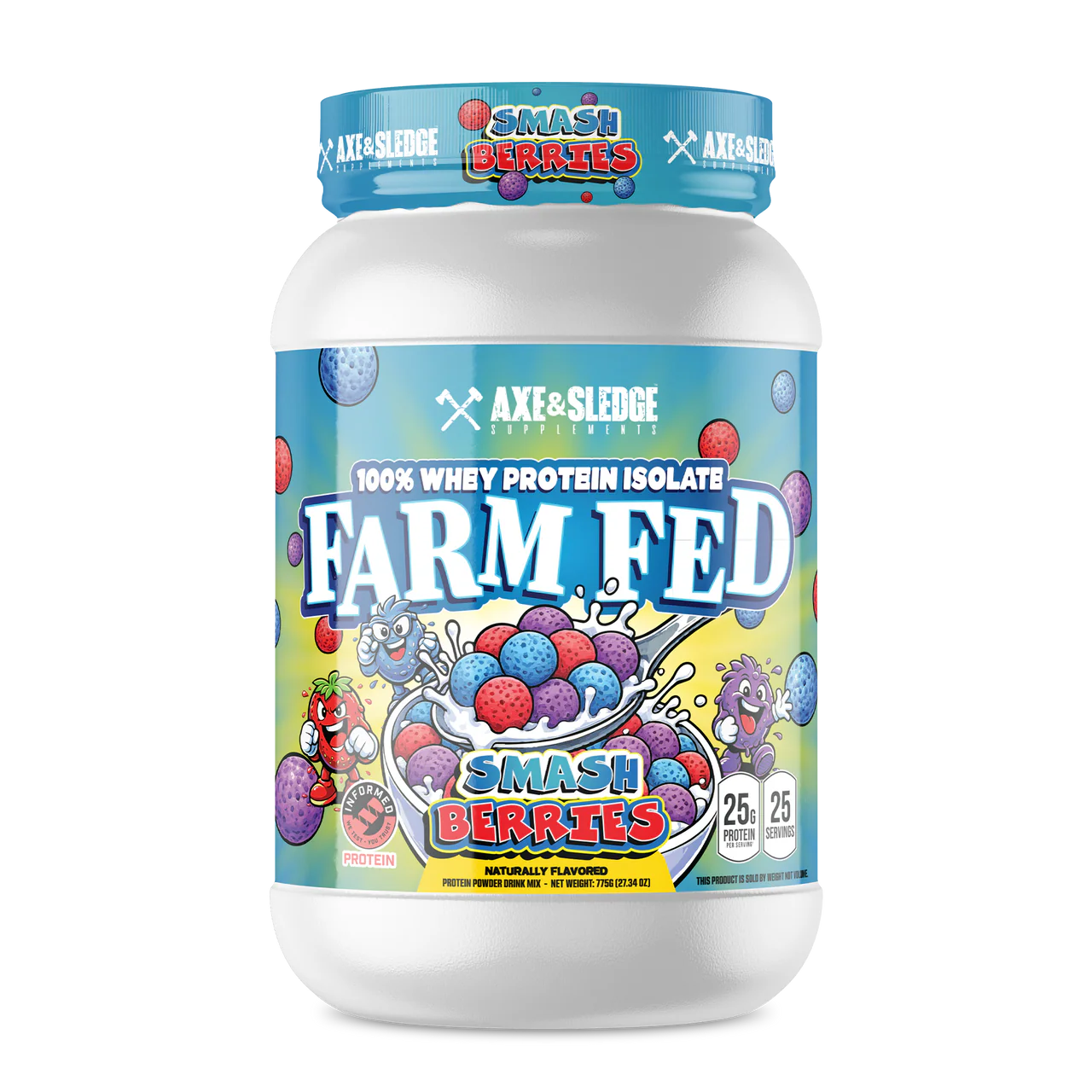
At NF Supps, we carry a full selection of premium protein powders — whey isolate, whey concentrate, casein, and plant-based options — to support GLP-1 users and anyone focused on preserving muscle during weight loss. Our team works with GLP-1 users regularly and can help you find the right protein for your specific situation, taste preferences, and dietary needs.
Shop Protein Powders at NF Supps →
On a GLP-1 and not sure where to start? Stop by our Cleveland store and talk to our team. We’ll help you build a protein strategy that protects your muscle, supports your weight loss, and fits within the limited appetite window that GLP-1 medications create.


Leave a comment
This site is protected by hCaptcha and the hCaptcha Privacy Policy and Terms of Service apply.