

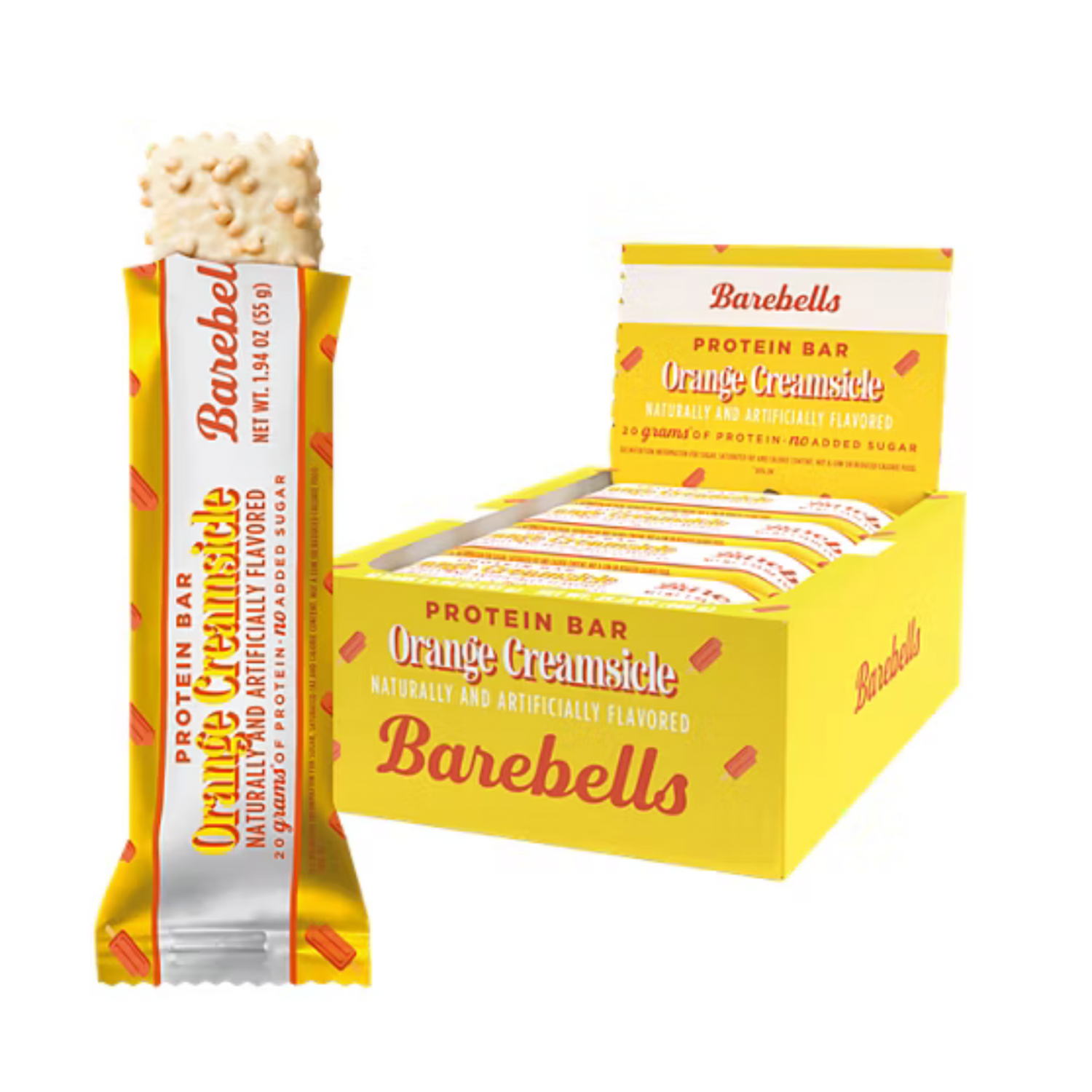
Barebells vs. the Competition: Why These Are the Only Protein Bars Worth Buying
The protein bar market is enormous — and most of it is disappointing. Walk into any supplement store and you’ll find dozens of bars promising high protein, great taste, and clean macros. Most of them deliver on one or two of those promises. Very few deliver on all three.
Barebells is the exception. Born in Sweden in 2016, Barebells set out to prove that a protein bar could taste like a candy bar without the sugar, the artificial junk, or the chalky texture that plagues most of the category. They succeeded — and the results speak for themselves.
Here’s an honest, head-to-head breakdown of how Barebells compares to the biggest names in the protein bar space — and why, once you try one, you’ll understand why they’ve built such a loyal following.
What Makes a Great Protein Bar? The 4 Criteria That Matter
Before the comparisons, here’s the framework. A truly great protein bar needs to deliver on four things simultaneously:
- Protein content — enough protein to actually move the needle on your daily targets (20g+ per bar)
- Sugar and macro profile — no added sugar, controlled calories, and a macro breakdown that fits a performance nutrition plan
- Taste and texture — genuinely enjoyable to eat, not just tolerable. If you dread eating it, you won’t eat it consistently
- Ingredient quality — no unnecessary fillers, artificial colors, or ingredients you can’t pronounce
Most protein bars nail one or two of these. Barebells nails all four. Here’s how the comparison plays out.
Barebells vs. Quest Bars
Quest is the most popular protein bar brand in the US — and for good reason. They were one of the first brands to prove that a high-protein, low-sugar bar could actually taste good. But Barebells has surpassed them on the criteria that matter most to serious athletes and flavor-focused consumers.
| Barebells | Quest | |
|---|---|---|
| Protein | 20g | 20–21g |
| Added Sugar | 0g | 0g |
| Calories | ~200 | ~190–210 |
| Fiber | Low | High (12–14g) |
| Texture | Soft, gooey, candy bar-like | Chewy, dense, can be dry |
| Flavor Variety | 20+ flavors | 20+ flavors |
| Taste Profile | Genuinely indulgent | Good, but clearly a protein bar |
The verdict: Quest and Barebells are close on macros, but the eating experience is completely different. Quest bars have a dense, chewy texture that’s clearly a protein bar. Barebells has a soft, gooey texture that genuinely resembles a candy bar. Quest’s high fiber content (12–14g per bar) can also cause GI discomfort for some athletes, particularly around training. Barebells’ lower fiber content makes it easier to digest at any time of day.
Winner: Barebells — on taste, texture, and digestibility.
Barebells vs. ONE Bars
ONE Bars are one of the most popular alternatives to Quest — known for their high protein content (20g) and wide flavor variety. They’re a solid bar, but they fall short of Barebells in a few key areas.
| Barebells | ONE Bar | |
|---|---|---|
| Protein | 20g | 20g |
| Added Sugar | 0g | 1g |
| Calories | ~200 | ~220–230 |
| Texture | Soft, gooey, candy bar-like | Chewy, slightly dry |
| Coating | Real chocolate coating | Chocolate-flavored coating |
| Taste Profile | Premium, indulgent | Good, but artificial sweetener aftertaste |
The verdict: ONE Bars are a decent option, but they have a noticeable artificial sweetener aftertaste that Barebells largely avoids. The texture is also chewier and less indulgent than Barebells. ONE Bars are slightly higher in calories without a corresponding advantage in protein or taste.
Winner: Barebells — on taste, texture, and aftertaste.
Barebells vs. RXBar
RXBar takes a completely different approach — whole food ingredients, no artificial sweeteners, and a clean label that lists everything on the front of the package. They’ve built a strong following among health-conscious consumers who prioritize ingredient transparency.
| Barebells | RXBar | |
|---|---|---|
| Protein | 20g | 12g |
| Added Sugar | 0g | 0g (but high in natural sugar from dates) |
| Total Sugar | ~2–4g | ~13–15g (from dates) |
| Calories | ~200 | ~210–220 |
| Texture | Soft, gooey, candy bar-like | Dense, chewy, date-based |
| Ingredient Philosophy | No added sugar, clean formula | Whole food, minimal processing |
The verdict: RXBar wins on ingredient transparency and whole-food philosophy, but loses significantly on protein content (12g vs. 20g) and total sugar (13–15g from dates vs. 2–4g in Barebells). For athletes who are tracking macros and prioritizing protein, RXBar simply doesn’t deliver the protein dose that Barebells does. The dense, date-based texture is also an acquired taste.
Winner: Barebells — on protein content and macro profile. RXBar wins on whole-food ingredients if that’s your priority.
Barebells vs. Clif Bars
Clif Bars are the most popular bar in the endurance sports world — but they’re not a protein bar. They’re a carbohydrate-focused energy bar designed for sustained endurance activity. Comparing them to Barebells is almost unfair, but it’s worth doing because many people reach for Clif Bars as a general snack without realizing how different the macro profile is.
| Barebells | Clif Bar | |
|---|---|---|
| Protein | 20g | 9–11g |
| Sugar | 0g added | 17–21g |
| Calories | ~200 | ~240–270 |
| Carbohydrates | ~20g | ~40–45g |
| Best For | Protein, muscle, body composition | Endurance fueling, long-duration activity |
The verdict: These bars serve completely different purposes. Clif Bars are excellent for endurance athletes who need carbohydrate fuel during long events. For anyone focused on protein intake, body composition, or general snacking, Barebells is the clear choice — nearly double the protein, zero added sugar, and fewer calories.
Winner: Barebells — for protein and body composition goals. Clif wins for endurance fueling.
The Barebells Advantage: What No Competitor Has Matched
After comparing Barebells to the major competitors, one thing becomes clear: no other protein bar has matched Barebells on the combination of taste, texture, and macro profile. Here’s what makes Barebells genuinely different:
The Texture Is Unmatched
Every Barebells bar has a soft, gooey, candy bar-like texture that no competitor has replicated. The filling is genuinely indulgent — not dense and chewy like Quest, not dry and crumbly like some bars, not hard and sticky like date-based bars. It’s the texture of a premium candy bar, with the macros of a performance supplement.
No Added Sugar — Without the Aftertaste
Most no-added-sugar protein bars achieve their sweetness through heavy use of artificial sweeteners like sucralose or acesulfame potassium, which leave a noticeable aftertaste. Barebells uses a more refined sweetener blend that delivers sweetness without the artificial finish. The result is a bar that tastes genuinely sweet and indulgent without the aftertaste that makes many athletes avoid no-sugar products.
20g of Protein in Every Bar
Every Barebells bar delivers 20g of protein — a meaningful, consistent dose that actually contributes to your daily protein targets. Some competitors vary between 12–20g depending on the flavor; Barebells is consistent across the lineup.
Flavor Creativity That Rivals Candy Brands
Barebells doesn’t just make chocolate and peanut butter bars. They make Cookies & Cream, Caramel Cashew, Coco Caramel Almond, Raspberry Cream, Lemon Cheesecake, Banana Bread, Key Lime Pie — flavors that are genuinely creative and genuinely delicious. The flavor variety rivals candy brands, not just protein bar brands.
The Full Barebells Lineup at NF Supps
At NF Supps, we carry the full Barebells protein bar lineup — over 20 flavors, all at $2.99 per bar. Here are some of the fan favorites:
- Chocolate Dough — pure, rich chocolate throughout. The choice for chocolate purists.
- Caramel Cashew — caramel and cashew with a milk chocolate coating. The Snickers of protein bars.
- Coco Caramel Almond — coconut, caramel, and almond. The Bounty/Almond Joy of protein bars.
- Cookies & Cream — white chocolate coating with cookie pieces. The Oreo of protein bars.
- Raspberry Cream — white chocolate coating with raspberry cream filling. Sophisticated and unique.
- Peanut Butter — rich peanut butter with chocolate. The Reese’s of protein bars.
- Banana Bread — banana and chocolate. One of the most unique flavors in the lineup.
- Lemon Cheesecake — bright lemon with a creamy cheesecake base. The most refreshing bar in the lineup.
The Bottom Line
The protein bar market has a lot of options. Most of them are fine. A few of them are good. Barebells is genuinely great — and the difference is immediately obvious the first time you eat one.
If you’ve been settling for protein bars that taste like protein bars, it’s time to try one that tastes like a candy bar. At $2.99 per bar, the risk is low and the upside is high. Grab a few flavors, find your favorite, and you’ll understand why Barebells has built one of the most loyal followings in the supplement industry.
Shop Barebells Protein Bars at NF Supps
The full Barebells lineup is available now at NF Supps — Cleveland’s home for premium sports nutrition and performance snacks. Single bars at $2.99 — try a few flavors and find your go-to.
Shop Barebells Protein Bars at NF Supps →
Not sure which Barebells flavor to start with? Stop by our Cleveland store and our team will point you in the right direction. Chocolate Dough and Caramel Cashew are the most popular — but Coco Caramel Almond and Raspberry Cream are the ones that surprise people the most.


Leave a comment
This site is protected by hCaptcha and the hCaptcha Privacy Policy and Terms of Service apply.