

The Ultimate Pre-Workout Timing Guide: When to Take What (And Why It Matters)
You can have the best supplements in the world and still leave results on the table if you’re taking them at the wrong time. Pre-workout timing isn’t just a detail — it’s one of the most important variables in your supplement strategy. Get it right and you’ll feel the difference in every session. Get it wrong and you’re either wasting money or actively working against your performance.
Here’s the complete, science-backed guide to pre-workout supplement timing — what to take, when to take it, and exactly why the timing matters.
The Pre-Workout Timing Window: An Overview
| Supplement | Optimal Timing | Why |
|---|---|---|
| Pre-Workout (stimulant) | 20–30 min before training | Caffeine peaks in bloodstream at ~45 min |
| Carbohydrates | 45–90 min before training | Tops off glycogen stores for fuel |
| Whey Protein | 30–60 min before training | Amino acids available during training |
| Creatine | Anytime (consistency matters most) | Saturates muscle stores over time |
| Beta-Alanine | 30–60 min before training | Buffers lactic acid during high-intensity sets |
| Citrulline | 30–60 min before training | Peaks nitric oxide production during training |
| Electrolytes | 15–30 min before training | Pre-hydrates and primes fluid balance |
| Caffeine (standalone) | 30–45 min before training | Peaks at ~45 min, lasts 4–6 hours |
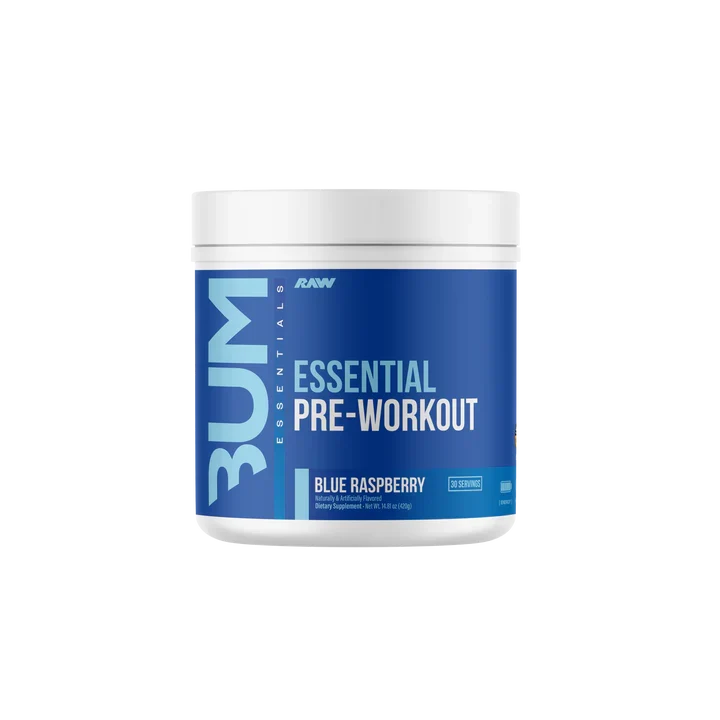
Pre-Workout Supplements: 20–30 Minutes Before Training
Why This Window?
Most pre-workout supplements are formulated around caffeine as the primary active ingredient. Caffeine is absorbed rapidly from the GI tract and reaches peak plasma concentration approximately 45–60 minutes after ingestion. Taking your pre-workout 20–30 minutes before training means caffeine is approaching its peak right as you’re warming up and beginning your working sets — exactly when you need it most.
Taking pre-workout too early (60+ minutes before) means caffeine has already peaked and is declining by the time you’re training hard. Taking it too late (right before you walk in the gym) means you’re training through the absorption phase rather than the peak.
What’s in Your Pre-Workout and When Each Ingredient Peaks
- Caffeine — peaks at 45–60 min, lasts 4–6 hours. The primary driver of energy, focus, and performance enhancement.
- L-Citrulline — peaks nitric oxide production at 60–90 min. Responsible for the pump and improved blood flow to working muscles. Taking your pre-workout 30 min before training means citrulline is hitting its peak during your heaviest sets.
- Beta-Alanine — works by increasing muscle carnosine levels over time, but acute dosing still provides benefit within 30–60 min. Responsible for the tingling sensation (paresthesia) and lactic acid buffering during high-rep, high-intensity sets.
- Tyrosine — peaks at 60–90 min. Supports dopamine and norepinephrine production for focus and mental drive under stress.
- Taurine — rapidly absorbed, supports hydration, cell volumization, and reduces oxidative stress during training.
Practical Tip
Set a timer. Most people eyeball their pre-workout timing and end up taking it too late. If you’re training at 6:00 PM, take your pre-workout at 5:30–5:40 PM — not when you’re pulling into the gym parking lot.
Carbohydrates: 45–90 Minutes Before Training
Why Carbs Before Training?
Carbohydrates are your body’s primary fuel source during resistance training and high-intensity exercise. They’re stored as glycogen in your muscles and liver, and depleted glycogen is one of the primary causes of performance decline during training — the feeling of “hitting a wall” mid-session.
Eating carbohydrates before training tops off your glycogen stores so you have maximum fuel available from the first set to the last. The difference between training with full glycogen stores and training depleted is significant — more reps, more weight, better pumps, and faster recovery between sets.
What Type of Carbs and When?
- 45–90 minutes before: Fast-digesting carbs like cream of rice (Elev8 Creamy Rice), white rice, or fruit. These digest quickly and are available as fuel by the time you’re training hard.
- 2–3 hours before: Slower-digesting carbs like oatmeal, sweet potato, or whole grain bread. These take longer to digest but provide sustained energy throughout a longer training session.
- 30 minutes or less before: Very fast-digesting carbs like a banana, sports drink, or dextrose. These are for athletes who need a quick carb hit close to training time.
How Many Carbs?
A general guideline: 0.25–0.5g of carbohydrates per pound of body weight in the pre-workout meal. For a 180-pound athlete, that’s 45–90g of carbs — roughly 1–2 servings of Elev8 Creamy Rice, a cup of white rice, or a large banana with oatmeal.
Why Cream of Rice Is the Ideal Pre-Workout Carb
Cream of rice — like Elev8 Foods Creamy Rice — is the preferred pre-workout carb source for serious athletes for three reasons: it’s fast-digesting (low fiber means carbs reach your muscles quickly), it’s easy on the stomach (no GI discomfort mid-training), and it’s precisely trackable (27g of carbs per serving, 0g sugar). It’s the carb source that works with your pre-workout, not against it.
Protein: 30–60 Minutes Before Training
Why Protein Before Training?
Pre-workout protein serves two purposes: it provides amino acids that are available in your bloodstream during training to support muscle protein synthesis, and it reduces muscle protein breakdown during the training session itself. Research consistently shows that having amino acids available during training — not just after — improves muscle protein synthesis and recovery.
What Type of Protein?
- Whey protein isolate or concentrate — the best pre-workout protein choice. Fast-digesting, high in leucine, and easy on the stomach. 20–30g mixed into your pre-workout meal or as a standalone shake 30–60 minutes before training.
- Whole food protein — chicken, eggs, Greek yogurt, or cottage cheese work well if eaten 60–90 minutes before training. Give whole food protein more time to digest than a shake.
Combining Protein and Carbs Pre-Workout
The ideal pre-workout meal combines both: a serving of Elev8 Creamy Rice with a scoop of whey protein stirred in. You get fast-digesting carbs for glycogen, high-quality protein for amino acid availability, and a meal that’s easy to digest and won’t cause GI discomfort during training. Eat it 45–60 minutes before your session.
Creatine: Anytime — But Be Consistent
The Creatine Timing Myth
Creatine is one of the most researched and effective supplements available — and also one of the most misunderstood when it comes to timing. The truth: creatine timing matters far less than consistency. Creatine works by saturating your muscle creatine stores over time — a process that takes several weeks of daily supplementation. Once your stores are saturated, the timing of any individual dose has minimal impact on performance.
When to Take It
The research on creatine timing shows a slight advantage to taking it close to training — either pre or post-workout — compared to taking it at a random time of day. But the difference is small. The most important thing is taking it every day, regardless of whether you’re training that day.
Practical recommendation: add creatine to your post-workout shake. It’s easy to remember, and the slight post-workout advantage is a bonus.
Dosing
3–5g of creatine monohydrate per day is the evidence-based dose. No loading phase is necessary — daily dosing at 3–5g will fully saturate your stores within 3–4 weeks.
Electrolytes: 15–30 Minutes Before Training
Why Electrolytes Pre-Workout?
Electrolytes — sodium, potassium, magnesium, and chloride — are critical for muscle contraction, nerve function, and fluid balance during training. Starting a training session even mildly dehydrated or electrolyte-depleted can reduce performance by 5-10% and increase the risk of cramping.
Taking electrolytes 15–30 minutes before training pre-hydrates your cells and ensures your electrolyte levels are optimized before you start sweating. This is especially important for athletes who train in hot environments, sweat heavily, or train for extended periods.
Caffeine (Standalone): 30–45 Minutes Before Training
If you’re taking caffeine as a standalone supplement rather than as part of a pre-workout formula, the optimal timing is 30–45 minutes before training. This accounts for the absorption time and puts you at or near peak caffeine concentration when your training intensity is highest.
Caffeine half-life is approximately 5–6 hours — meaning half of the caffeine you consume is still in your system 5–6 hours later. If you train at 6:00 PM and take 200mg of caffeine, you’ll still have ~100mg in your system at 11:00 PM–12:00 AM. For athletes who are sensitive to caffeine or have trouble sleeping, this is an important consideration for evening training sessions.
The Complete Pre-Workout Timeline
90 Minutes Before Training
- Larger pre-workout meal if eating whole foods (chicken + rice, eggs + oatmeal)
- Slower-digesting carbs if eating a full meal
45–60 Minutes Before Training
- Fast-digesting carbs (Elev8 Creamy Rice, white rice, banana)
- Whey protein shake or protein stirred into your carb source
- Creatine (if taking pre-workout)
20–30 Minutes Before Training
- Pre-workout supplement — the most important timing window
- Electrolytes if not included in your pre-workout
Right Before Training
- Finish your water bottle — arrive hydrated
- Quick carb if needed (banana, sports drink) for athletes who trained fasted or need a last-minute boost
Common Pre-Workout Timing Mistakes
- Taking pre-workout too late — the most common mistake. Taking it in the parking lot means you’re training through the absorption phase, not the peak.
- Skipping pre-workout carbs — training on empty glycogen stores is like driving a car on an empty tank. You’ll run out of fuel before the session is over.
- Taking creatine inconsistently — missing days defeats the purpose. Creatine only works when your stores are saturated, which requires daily dosing.
- Eating a large, high-fat meal too close to training — fat slows digestion significantly. A large fatty meal 30–45 minutes before training will sit in your stomach and cause discomfort. Keep pre-workout meals low in fat.
- Ignoring hydration — arriving at the gym dehydrated undermines every other supplement you’ve taken. Drink 16–20oz of water in the 60–90 minutes before training.
- Taking stimulants too late in the day — if you train in the evening, be mindful of caffeine’s 5–6 hour half-life and its impact on sleep quality.
Shop Pre-Workout Supplements at NF Supps
At NF Supps, we carry a full selection of premium pre-workout supplements, protein powders, creatine, electrolytes, and performance carb sources — everything you need to optimize your pre-workout timing stack.
Shop Pre-Workout Supplements at NF Supps →
Shop Elev8 Creamy Rice (Pre-Workout Carbs) at NF Supps →
Not sure which pre-workout is right for your training style and caffeine tolerance? Stop by our Cleveland store and talk to our team. We’ll help you build a pre-workout timing stack that’s dialed in for your specific goals and schedule.



Leave a comment
This site is protected by hCaptcha and the hCaptcha Privacy Policy and Terms of Service apply.