

Can You Build Muscle While Taking GLP-1 Medications?
GLP-1 receptor agonists — medications like semaglutide (Ozempic, Wegovy) and tirzepatide (Mounjaro, Zepbound) — have transformed the weight loss landscape. Millions of people are using them to achieve significant, sustained weight loss that was previously very difficult to accomplish. But as these medications become more widespread, an important question is emerging: what happens to your muscle while you’re losing weight on a GLP-1?
The short answer: if you’re not actively working to protect it, you’re probably losing more muscle than you realize. Here’s what the research says, why it matters, and exactly what you need to do to preserve — and even build — muscle while on GLP-1 medications.
What GLP-1 Medications Do to Your Body
GLP-1 medications work primarily by suppressing appetite and slowing gastric emptying — meaning you feel full faster, stay full longer, and naturally eat significantly less. For weight loss, this is powerful. But the dramatic reduction in calorie intake creates a serious challenge for muscle preservation.
When you’re in a significant calorie deficit — which is exactly what GLP-1 medications create — your body doesn’t just burn fat for energy. It also breaks down muscle tissue. This process, called muscle catabolism, is one of the most significant downsides of rapid weight loss, and it’s amplified when calorie intake drops sharply without a corresponding increase in protein and resistance training.
Studies on GLP-1 medications have shown that a meaningful percentage of the weight lost — in some cases 25-40% — can come from lean muscle mass rather than fat. That’s a significant problem, because muscle mass is critical for:
- Metabolic rate — muscle burns more calories at rest than fat. Losing muscle slows your metabolism, making it harder to maintain weight loss long-term
- Strength and function — muscle loss leads to weakness, reduced mobility, and increased injury risk
- Body composition — losing weight without preserving muscle often results in a “skinny fat” outcome — lower weight but higher body fat percentage
- Long-term health — muscle mass is one of the strongest predictors of longevity and quality of life as you age
Can You Actually Build Muscle on a GLP-1?
Yes — but it requires intentional effort. Building muscle while in a calorie deficit is challenging under any circumstances, but it’s absolutely possible, especially for people who are new to resistance training or returning after a long break. The key is giving your body the two things it needs most: adequate protein and resistance training stimulus.
For most people on GLP-1 medications, the realistic goal in the early stages is muscle preservation — maintaining as much lean mass as possible while losing fat. As your body adapts and you establish a consistent training routine, building new muscle becomes increasingly achievable even in a deficit.
The #1 Priority: Protein Intake
This is where most people on GLP-1 medications fall critically short — and it’s the most important thing you can do to protect your muscle.
GLP-1 medications dramatically reduce appetite and food intake. The problem: when you’re eating significantly less food, you’re almost certainly eating significantly less protein — unless you’re actively prioritizing it. And protein is the single most important nutrient for muscle preservation and growth.
How Much Protein Do You Need?
The research on protein intake for muscle preservation during weight loss is clear: you need more protein than you think, especially when in a calorie deficit. General recommendations for people actively trying to preserve muscle during weight loss:
- Minimum: 0.7g of protein per pound of body weight per day
- Optimal for muscle preservation: 0.8–1.0g per pound of body weight per day
- For active resistance training: 1.0–1.2g per pound of body weight per day
For a 180-pound person, that’s 144–216g of protein per day. That’s a significant amount of protein — and it’s extremely difficult to hit those targets from whole food alone when your appetite is suppressed by a GLP-1 medication.
Why Protein Is So Hard to Get on a GLP-1
Here’s the challenge: GLP-1 medications reduce your desire to eat. When you do eat, you fill up quickly. Most people naturally gravitate toward easy-to-eat, lower-protein foods when their appetite is suppressed — crackers, fruit, small snacks — rather than the high-protein foods like chicken, eggs, and Greek yogurt that are critical for muscle preservation.
The result: many people on GLP-1 medications are eating 800-1,200 calories per day with only 40-60g of protein — a fraction of what’s needed to protect their muscle mass. This is the primary driver of the muscle loss that’s been documented in GLP-1 users.
Why Protein Powder Is Essential on a GLP-1
This is where protein powder becomes one of the most important supplements you can take while on a GLP-1 medication. Here’s why:
High Protein, Low Volume
Protein powder delivers 20-30g of high-quality protein in a small, easy-to-consume serving. When your appetite is suppressed and you can’t eat large volumes of food, a protein shake gives you a meaningful protein dose without requiring you to eat a full meal. It’s the most efficient way to hit your protein targets when food intake is limited.
Easy to Digest
GLP-1 medications slow gastric emptying, which can make heavy, solid foods feel uncomfortable. Protein shakes are liquid, easy to digest, and gentle on the stomach — making them one of the most practical protein sources for GLP-1 users who struggle with solid food.
Fast-Acting Amino Acids
Whey protein in particular is a fast-digesting, complete protein that delivers all essential amino acids — including leucine, the amino acid most responsible for triggering muscle protein synthesis. Getting adequate leucine is critical for signaling your body to build and preserve muscle, and whey protein is one of the most effective ways to deliver it.
Flexible and Convenient
Protein shakes can be consumed at any time — as a meal replacement when appetite is low, as a post-workout recovery drink, or as a between-meal protein boost. For GLP-1 users who are eating fewer meals and smaller portions, this flexibility is invaluable.
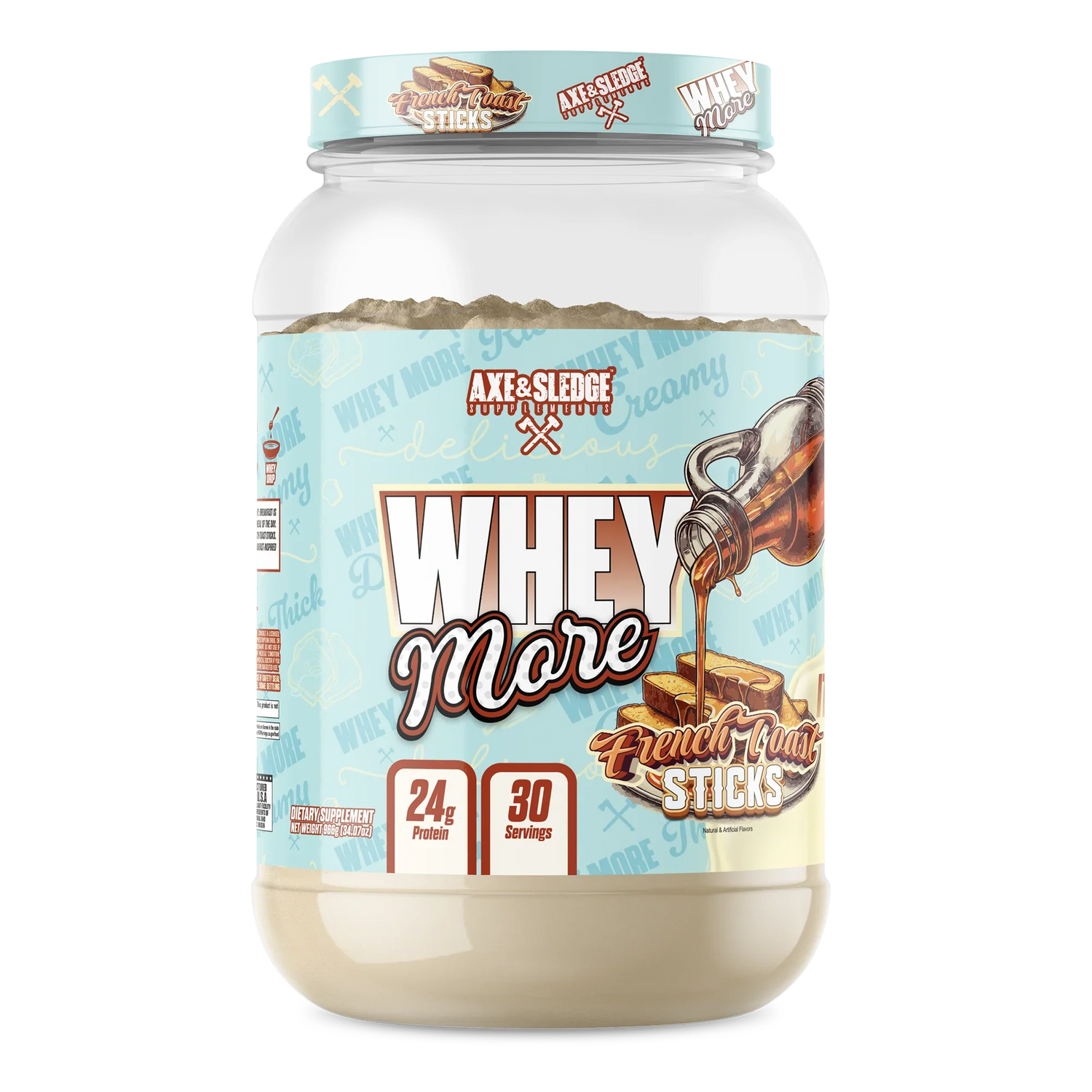
The Best Protein Powders for GLP-1 Users
Not all protein powders are created equal. Here’s what to look for:
- Whey Protein Isolate — the gold standard for muscle preservation. Fast-digesting, high in leucine, and very low in fat and carbs. Ideal post-workout and between meals. Look for 25g+ of protein per serving with minimal fillers.
- Whey Protein Concentrate — slightly slower digesting than isolate, with a bit more fat and carbs. Still an excellent choice and often more affordable.
- Casein Protein — slow-digesting protein that releases amino acids over several hours. Excellent before bed to support overnight muscle recovery and reduce catabolism during the overnight fast.
- Plant-Based Protein — for those who prefer dairy-free options. Look for blends that combine multiple plant proteins (pea + rice) to create a complete amino acid profile.
The Complete GLP-1 Muscle Preservation Strategy
Protein is the foundation, but it works best as part of a complete strategy:
1. Hit Your Protein Target Every Day
Make protein the non-negotiable priority in every meal and snack. Use protein powder to fill the gaps when whole food isn’t enough. Aim for 0.8-1.0g per pound of body weight minimum.
2. Resistance Train 3-4 Days Per Week
Resistance training is the most powerful signal you can send your body to preserve and build muscle. Without the stimulus of resistance training, even adequate protein intake won’t fully prevent muscle loss during a significant calorie deficit. Compound movements — squats, deadlifts, rows, presses — are the most effective for preserving total body muscle mass.
3. Distribute Protein Throughout the Day
Research shows that muscle protein synthesis is maximized when protein is distributed across multiple meals rather than consumed in one or two large doses. Aim for 30-40g of protein per meal or snack, 3-5 times per day. Protein shakes make this distribution easy even when appetite is low.
4. Prioritize Protein at Every Eating Opportunity
When GLP-1 medications limit how much you can eat, every bite counts. Prioritize protein-dense foods first at every meal — chicken, eggs, Greek yogurt, cottage cheese, fish — before filling up on carbs or fat. If you fill up on lower-protein foods first, you’ll miss your protein targets.
5. Don’t Skip Post-Workout Nutrition
The post-workout window is when your muscles are most receptive to protein and carbohydrates. Even if your appetite is suppressed after training, make a protein shake a non-negotiable part of your post-workout routine. 25-40g of whey protein within 30-60 minutes of training is one of the highest-leverage nutrition habits you can build.
The Bottom Line
GLP-1 medications are powerful tools for weight loss — but they create a real risk of significant muscle loss if you’re not actively working to prevent it. The good news: with the right approach, you can preserve — and even build — muscle while on a GLP-1. The strategy is straightforward:
- Hit your protein targets every day — 0.8-1.0g per pound of body weight minimum
- Use protein powder to fill the gaps — it’s the most practical way to hit protein targets when appetite is suppressed
- Resistance train consistently — 3-4 days per week of compound movements
- Distribute protein throughout the day — 30-40g per meal, multiple times per day
- Never skip post-workout protein — it’s the highest-leverage nutrition habit you can build
The people who come out of a GLP-1 weight loss journey with the best body composition — lean, strong, and metabolically healthy — are the ones who treated protein and resistance training as non-negotiables from day one.
Shop Protein Powders at NF Supps
At NF Supps, we carry a full selection of premium protein powders to support your goals — whether you’re on a GLP-1 medication, in a weight loss phase, or focused on building muscle. Our team can help you find the right protein for your specific situation, dietary preferences, and taste preferences.
Shop Protein Powders at NF Supps →
On a GLP-1 medication and not sure where to start with protein? Stop by our Cleveland store and talk to our team. We work with GLP-1 users regularly and can help you build a supplement strategy that protects your muscle and supports your weight loss goals.



Leave a comment
This site is protected by hCaptcha and the hCaptcha Privacy Policy and Terms of Service apply.