

If you've ever had a routine blood panel done, you've probably seen the word "hematocrit" on your results — and maybe glossed right over it. But this single number tells your doctor a surprising amount about your cardiovascular health, energy levels, and how efficiently your body is delivering oxygen to every cell.
Understanding hematocrit isn't just for medical professionals. For athletes, fitness enthusiasts, and anyone focused on long-term health, it's one of the most actionable blood markers you can track. Here's everything you need to know — and why it matters more than most people realize.
What Is Hematocrit?
Hematocrit (often abbreviated as HCT or Hct) is the percentage of your total blood volume made up of red blood cells (RBCs). The rest of your blood is plasma — the liquid component that carries cells, proteins, hormones, and nutrients.
A typical hematocrit reading looks like this:
- Men: 41–53%
- Women: 36–46%
- Athletes: Often toward the higher end of normal ranges due to training adaptations
So if your hematocrit is 45%, that means 45% of your blood volume is red blood cells and 55% is plasma.
Why Does Hematocrit Matter?
Red blood cells carry hemoglobin, the protein that binds to oxygen and transports it from your lungs to every tissue in your body. Your hematocrit level is therefore a direct proxy for your blood's oxygen-carrying capacity.
Get it right, and your muscles, brain, and organs receive a steady, efficient supply of oxygen. Get it wrong in either direction, and the consequences ripple across your entire physiology.
Low Hematocrit
When hematocrit falls below the normal range, your blood simply can't carry enough oxygen. This condition — often associated with anemia — can cause:
- Persistent fatigue and weakness
- Shortness of breath during exercise or even at rest
- Brain fog and difficulty concentrating
- Pale skin and cold extremities
- Reduced athletic performance and slow recovery
- Rapid or irregular heartbeat as the heart compensates
High Hematocrit
On the other end of the spectrum, hematocrit that's too high creates its own problems. When there are too many red blood cells relative to plasma, blood becomes thicker and more viscous — harder to pump, slower to flow, and more prone to clotting. This can lead to:
- Increased cardiovascular strain and elevated blood pressure
- Reduced circulation efficiency despite having more red blood cells
- Greater risk of blood clots, stroke, and other cardiovascular events
- Headaches, dizziness, and flushing
- Impaired performance despite seemingly favorable oxygen-carrying capacity
This is why elite endurance athletes and sports medicine physicians pay close attention to hematocrit — it's not simply a case of "higher is better."
What Affects Hematocrit Levels?
Hematocrit is influenced by a wide range of factors, many of which are within your control:
Iron Levels
Iron is essential for hemoglobin synthesis. Too little iron leads to iron-deficiency anemia and low hematocrit. But excess iron can also be problematic — elevated iron levels can increase red blood cell production and push hematocrit higher than optimal, thickening the blood.
Hydration Status
Dehydration reduces plasma volume without changing the number of red blood cells, which artificially elevates hematocrit. Even mild dehydration can skew your reading and increase blood viscosity.
Altitude and Training
At higher altitudes, lower oxygen availability triggers the body to produce more red blood cells — a natural adaptation that increases hematocrit. Endurance training also stimulates RBC production over time.
Nutrition and Vitamins
Deficiencies in B12, folate, and iron can suppress red blood cell production and lower hematocrit. Adequate intake of these nutrients is foundational to maintaining healthy levels.
Inflammation and Oxidative Stress
Chronic inflammation can disrupt red blood cell production and lifespan, affecting hematocrit in either direction depending on the underlying cause.
Hematocrit and Athletic Performance
For athletes, hematocrit sits at the intersection of performance and health. More red blood cells mean more oxygen delivered to working muscles — which is why altitude training camps and altitude tents are popular among endurance athletes. The goal is to naturally raise hematocrit within a healthy range to improve VO2 max and endurance capacity.
But there's a ceiling. Once hematocrit climbs too high, blood viscosity increases to the point where the cardiovascular system has to work harder to pump it — negating the oxygen delivery advantage and increasing health risks. The sweet spot is a hematocrit that's optimized, not simply maximized.
Why Someone Might Consider Hemo Flow
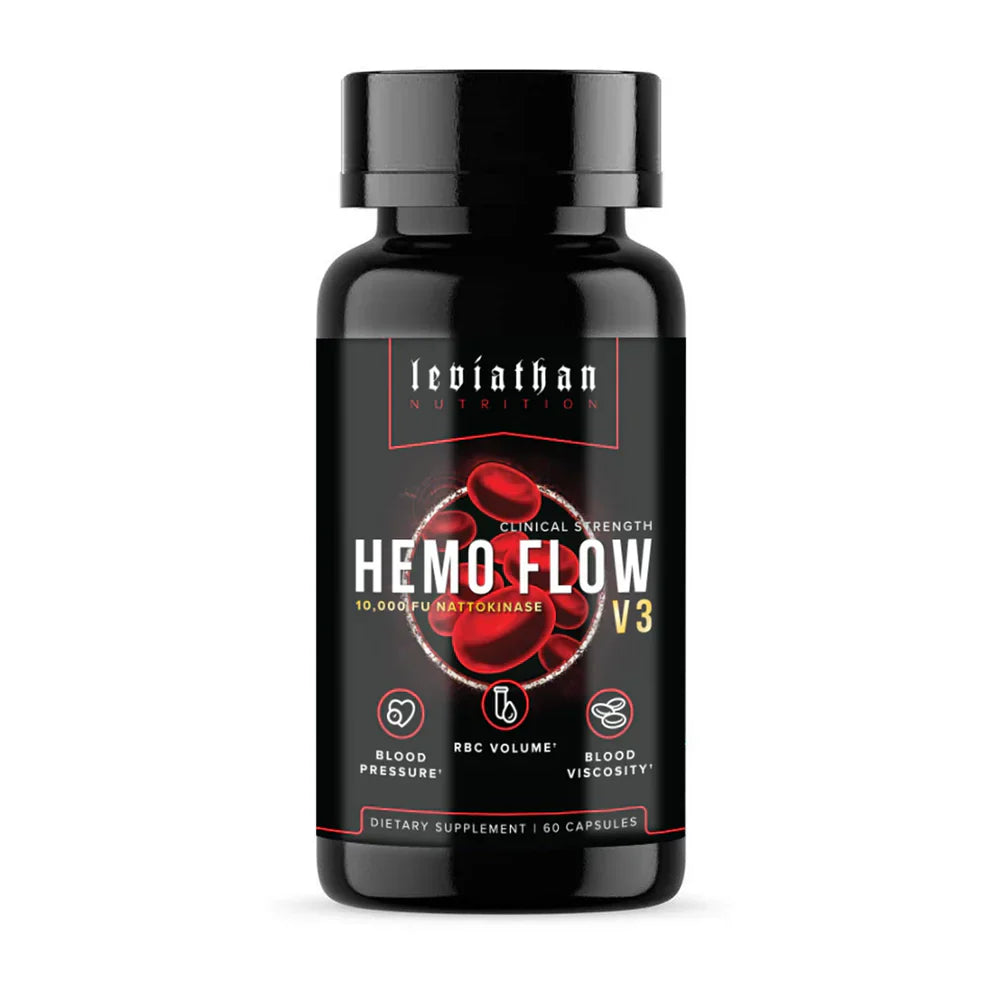
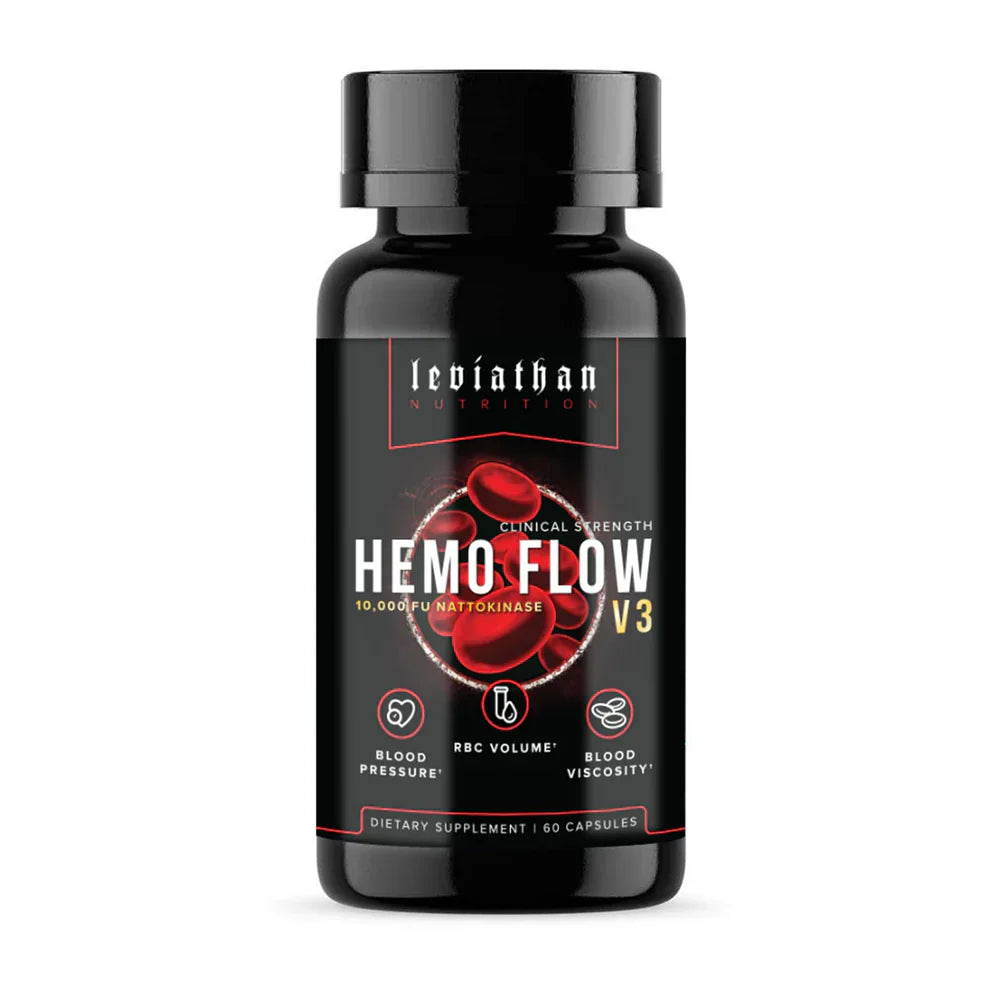
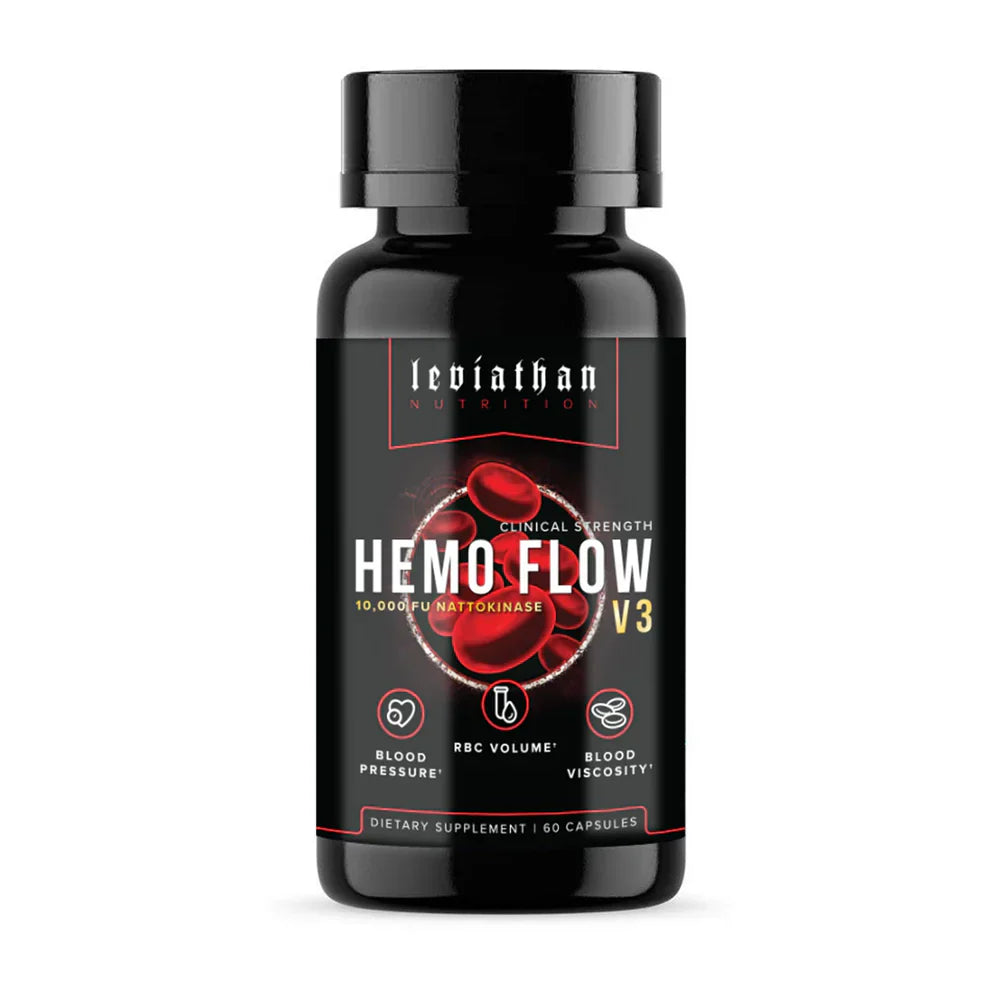
This is where Leviathan Nutrition Hemo Flow V3, available at NF Supps, becomes relevant. Hemo Flow V3 is one of the few supplements on the market specifically formulated to support hematocrit optimization — not just from one angle, but from two.
Iron Chelation with Lavitol® DHQ
Hemo Flow V3 contains 60mg of Lavitol® Dihydroquercetin (DHQ), a premium flavonoid antioxidant that acts as a natural iron chelator. By helping to modulate excess iron levels in the blood, DHQ supports the body's ability to maintain hematocrit within a healthy range — preventing the blood-thickening effects of elevated iron without suppressing red blood cell production entirely.
Blood Viscosity Support with Nattokinase and DHQ + Vitamin C
Even if hematocrit is within normal range, blood viscosity can still be elevated due to fibrin buildup or other factors. Hemo Flow V3 addresses this with:
- Nattokinase (10,000 FU / 500mg) — a fibrinolytic enzyme that supports healthy blood viscosity by breaking down excess fibrin
- DHQ + Vitamin C (60mg + 120mg) — clinically shown to reduce blood viscosity by 15–17% when combined, improving circulation efficiency regardless of hematocrit level
Blood Pressure Support with VasoDrive-AP™
High hematocrit often correlates with elevated blood pressure due to increased vascular resistance. VasoDrive-AP™ (508mg) provides ACE inhibitor tripeptides that support healthy blood pressure by promoting vasodilation — helping the cardiovascular system adapt to the demands of thicker blood.
Bioavailability with Naringin and BioPerine®
Naringin (200mg) and BioPerine® (10mg) round out the formula by enhancing the absorption of the active ingredients — ensuring the full clinical benefit of each compound reaches systemic circulation.
Who Should Pay Attention to Their Hematocrit?
Hematocrit is worth monitoring if you are:
- An endurance athlete tracking performance and recovery markers
- Someone who has been told their iron levels are elevated or low
- An adult over 40 managing cardiovascular risk factors
- Anyone experiencing unexplained fatigue, brain fog, or poor exercise tolerance
- A person who trains at altitude or uses altitude simulation tools
A simple complete blood count (CBC) from your doctor will include your hematocrit reading. It's one of the most informative and inexpensive tests available.
The Bottom Line
Hematocrit is more than a number on a lab report. It's a window into how efficiently your blood is doing its most important job: delivering oxygen to every cell in your body. Keeping it in an optimal range — not too low, not too high — is one of the most impactful things you can do for your energy, performance, and long-term cardiovascular health.
If you're looking for a supplement that specifically addresses hematocrit optimization alongside blood pressure and viscosity support, Leviathan Nutrition Hemo Flow V3 is available now at NF Supps — Cleveland's home for premium, science-backed supplements.
These statements have not been evaluated by the Food and Drug Administration. This product is not intended to diagnose, treat, cure, or prevent any disease. Always consult with a qualified healthcare provider before making changes to your supplement regimen, especially if you have a diagnosed medical condition.


Leave a comment
This site is protected by hCaptcha and the hCaptcha Privacy Policy and Terms of Service apply.