

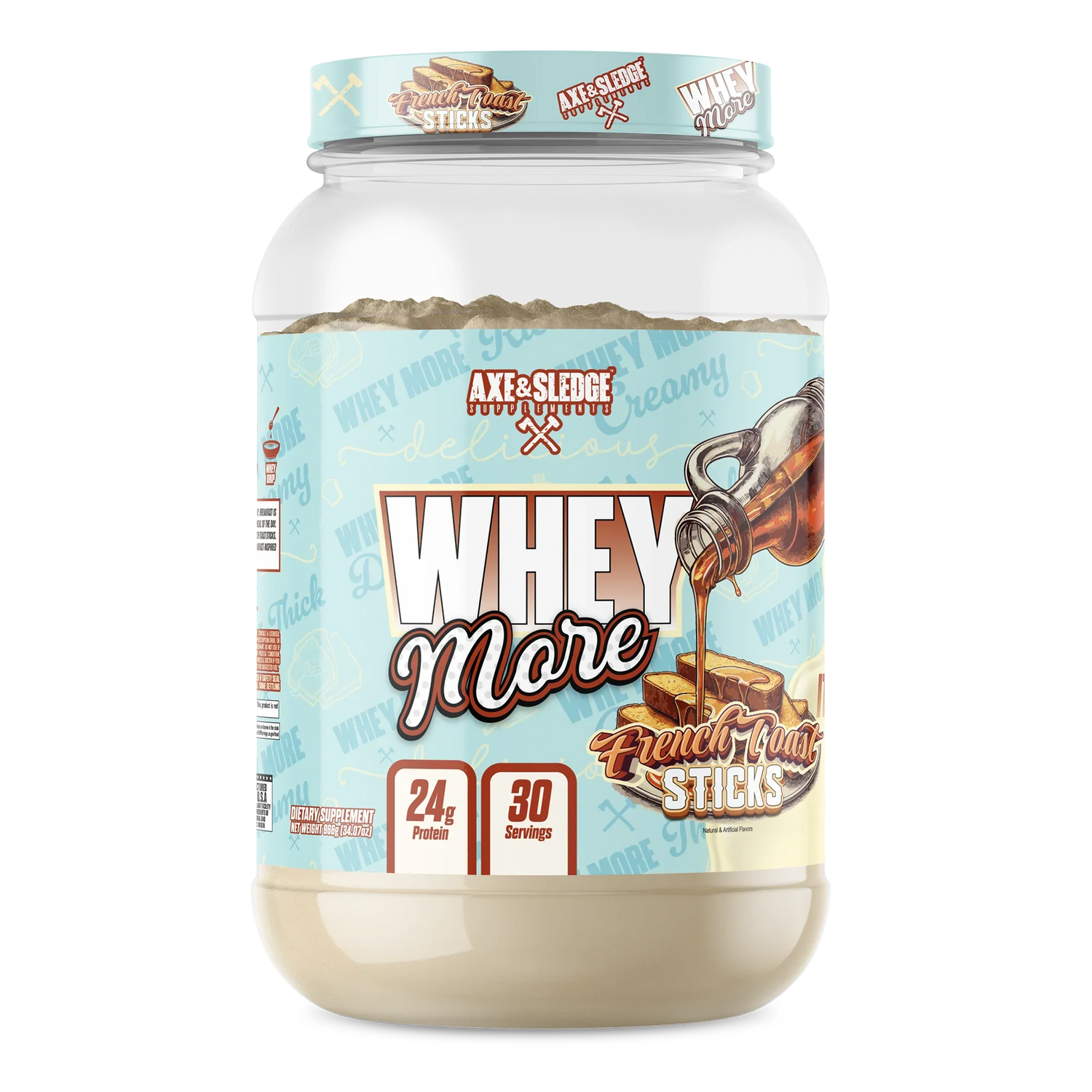
Why Protein Matters — And When a Protein Powder Actually Makes Sense
If there's one macronutrient that every athlete, gym-goer, and health-conscious person should be paying attention to, it's protein. It's the building block of muscle, the driver of recovery, and one of the most important factors in body composition — yet most people consistently fall short of what their body actually needs.
The good news: getting enough protein doesn't have to be complicated. But first, let's talk about why it matters so much — and when a protein powder supplement becomes the smart, practical solution.
What Does Protein Actually Do?
Protein is made up of amino acids — the building blocks your body uses for virtually every structural and functional process. Here's what protein does that nothing else can replace:
- Builds and repairs muscle tissue — every time you train, you create micro-tears in your muscle fibers. Protein is what your body uses to repair and rebuild those fibers stronger than before. No protein = no muscle growth.
- Supports recovery — adequate protein reduces muscle soreness, speeds up repair, and gets you ready to train again faster
- Preserves lean muscle during fat loss — when you're in a caloric deficit, your body can break down muscle for energy. High protein intake protects against this, helping you lose fat while keeping the muscle you've worked for
- Keeps you full longer — protein is the most satiating macronutrient, meaning it keeps hunger at bay better than carbs or fat
- Supports immune function — antibodies, enzymes, and immune cells are all made from protein
- Maintains bone health — protein plays a role in bone density and structural integrity, not just muscle
In short: protein isn't just a "gym supplement" concept. It's a fundamental nutritional requirement for everyone — and the more active you are, the more you need.
How Much Protein Do You Actually Need?
The standard government recommendation for protein is 0.8g per kilogram of body weight — but that number was set as a minimum to prevent deficiency, not to optimize performance or body composition.
For active individuals, the research consistently points to a much higher target:
- General fitness and health: 1.2–1.6g per kilogram of body weight (0.55–0.73g per pound)
- Muscle building: 1.6–2.2g per kilogram (0.73–1.0g per pound)
- Fat loss while preserving muscle: 2.0–2.4g per kilogram (0.9–1.1g per pound)
For a 170lb (77kg) person who trains regularly, that's roughly 130–170g of protein per day for muscle building. That's a lot — and it's where most people fall short.
Why It's Hard to Get Enough Protein from Food Alone
Whole food protein sources are always the foundation — chicken, beef, fish, eggs, Greek yogurt, cottage cheese, legumes. But consistently hitting 150g+ of protein per day from food alone is genuinely challenging for most people. Here's why:
Volume and Prep Time
To get 150g of protein from chicken breast alone, you'd need to eat about 600g (roughly 1.3 lbs) of cooked chicken every single day. That requires buying, prepping, cooking, and eating a significant amount of food — which isn't realistic for most busy schedules.
Cost
High-quality animal protein is expensive. Consistently buying enough chicken, beef, fish, and eggs to hit aggressive protein targets adds up quickly — especially if you're feeding a family or on a budget.
Appetite and Satiety
Ironically, protein is so filling that eating enough of it from whole foods can be difficult. Many people simply don't feel hungry enough to eat the volume of food required to hit their targets.
Timing and Convenience
Post-workout is one of the most important windows for protein intake — but it's also when you're least likely to have a full meal ready. Cooking chicken at the gym isn't an option. A protein shake is.
When a Protein Powder Supplement Makes Sense
Protein powder isn't a replacement for whole food — it's a tool to fill the gap between what you're eating and what your body needs. Here are the situations where it genuinely makes sense:
You're Consistently Falling Short of Your Protein Target
If you're tracking your intake and regularly coming in 30–50g below your daily target, a single protein shake closes that gap instantly. One scoop of a quality whey protein typically delivers 20–25g of protein in under 30 seconds of prep time.
You Train Hard and Need Fast Post-Workout Protein
Whey protein is one of the fastest-digesting protein sources available — it reaches your muscles quickly, making it ideal for the post-workout window when your muscles are primed for recovery and growth. A shake immediately after training is one of the highest-leverage nutrition habits you can build.
You Have a Busy Schedule
Meal prep takes time. A protein shake takes 60 seconds. For people with demanding jobs, families, or unpredictable schedules, protein powder is the difference between hitting your targets and missing them consistently.
You're Trying to Build Muscle or Improve Body Composition
If you have specific physique goals — building muscle, losing fat while preserving lean mass, or improving athletic performance — protein intake becomes a precision tool. Protein powder makes it easy to dial in your numbers without overhauling your entire diet.
You Don't Eat Much Meat
Vegetarians, pescatarians, and anyone who limits animal products often struggle to hit protein targets from food alone. Plant-based protein powders (pea, rice, hemp) and whey/casein options give you a flexible, convenient way to fill the gap regardless of your dietary preferences.
What to Look for in a Protein Powder
Not all protein powders are created equal. Here's what matters:
- Protein per serving — look for 20–25g per scoop as a baseline
- Ingredient quality — whey isolate is the gold standard for fast absorption and high protein percentage; whey concentrate is a solid, more affordable option
- Low sugar and fillers — avoid products with excessive added sugars, artificial fillers, or proprietary blends that hide ingredient doses
- Flavor you'll actually drink — the best protein powder is the one you'll use consistently. Taste matters.
- Third-party testing — look for products that are tested for banned substances and label accuracy
Shop Protein Powders at NF Supps
We carry a full selection of premium protein powders at NF Supps — Cleveland's home for sports nutrition. Whether you're looking for whey isolate, whey concentrate, plant-based protein, or a casein for overnight recovery, we have options from the brands athletes actually trust.
Stop guessing whether you're getting enough protein. Come in, tell us your goals, and we'll help you find the right product to fill the gap.
Shop Protein Powders at NF Supps →
Not sure how much protein you need or which type is right for your goals? Stop by our Cleveland store or reach out — we love helping athletes dial in their nutrition and get better results from their training.


Leave a comment
This site is protected by hCaptcha and the hCaptcha Privacy Policy and Terms of Service apply.