

5 Signs Your Body Is Low on Electrolytes (And What to Do About It)
You're training hard, sleeping enough, and eating well — but something still feels off. Your muscles cramp. Your energy crashes mid-workout. Your head feels foggy even after a full night's sleep. Sound familiar?
The culprit might not be your training program or your diet. It might be your electrolytes.
Electrolytes — sodium, potassium, magnesium, calcium, and chloride — are minerals that carry an electrical charge and are essential for nearly every function in your body. When they drop too low, your body lets you know. Here are the 5 most common warning signs.
1. Muscle Cramps and Spasms
This is the most well-known sign of electrolyte imbalance — and for good reason. Muscle cramps, especially during or after exercise, are often a direct result of low sodium, potassium, or magnesium levels.
Electrolytes regulate the electrical signals that tell your muscles when to contract and when to relax. When those signals get disrupted by low electrolyte levels, muscles can contract involuntarily — causing the painful cramps and spasms that can derail a workout or wake you up at 3am.
What to do: Replenish electrolytes before, during, and after intense exercise — especially in hot weather when sweat rates are higher. Don't wait until cramps start.
2. Persistent Fatigue and Low Energy
Feeling exhausted even when you've slept well and eaten enough? Low electrolytes — particularly sodium and magnesium — can cause a deep, persistent fatigue that no amount of caffeine seems to fix.
Sodium plays a critical role in fluid balance and energy production. Magnesium is involved in over 300 enzymatic reactions in the body, including ATP (energy) production. When either drops too low, your energy systems simply can't operate efficiently.
What to do: Before reaching for another cup of coffee, try an electrolyte drink. Many people are surprised how quickly their energy rebounds once electrolytes are restored.
3. Brain Fog and Difficulty Concentrating
Electrolytes don't just affect your muscles — they affect your brain. Sodium and potassium are essential for nerve signal transmission, which means low levels can impair cognitive function, focus, and mental clarity.
If you find yourself struggling to concentrate, feeling mentally sluggish, or experiencing headaches that won't quit, dehydration and electrolyte imbalance are often overlooked causes.
What to do: Hydrate with an electrolyte supplement rather than plain water. Plain water can actually dilute your remaining electrolytes further if you're already running low.
4. Irregular Heartbeat or Heart Palpitations
This one is more serious — and worth paying attention to. Potassium, calcium, and magnesium all play a direct role in regulating your heart rhythm. When these electrolytes drop significantly, you may notice your heart beating irregularly, fluttering, or racing.
This is more common in endurance athletes who sweat heavily over long periods, but it can happen to anyone who is significantly dehydrated or electrolyte-depleted.
What to do: If you experience frequent or severe heart palpitations, consult a healthcare professional. For mild cases related to exercise and sweating, consistent electrolyte replenishment is key.
5. Dizziness and Lightheadedness
Standing up too fast and feeling dizzy? Getting lightheaded during or after a workout? Low sodium is often the culprit. Sodium helps regulate blood pressure and fluid balance — when it drops, blood pressure can fall, leading to that dizzy, lightheaded feeling.
This is especially common in athletes who drink large amounts of plain water without replacing the sodium lost through sweat — a condition sometimes called hyponatremia.
What to do: Make sure your hydration strategy includes sodium, not just water. An electrolyte supplement with a meaningful sodium dose is the most effective fix.
How to Fix Low Electrolytes Fast
The good news: electrolyte imbalances are easy to address once you know what to look for. Here's a simple protocol:
- Hydrate consistently throughout the day — don't wait until you're thirsty; thirst is already a sign of mild dehydration
- Use an electrolyte supplement — especially on training days, hot days, or any day you're sweating more than usual
- Don't rely on plain water alone — during intense exercise, electrolyte drinks are more effective than water at maintaining hydration
- Pay attention to your body — cramps, fatigue, and brain fog are signals worth listening to
Why We Recommend Ghost Hydration
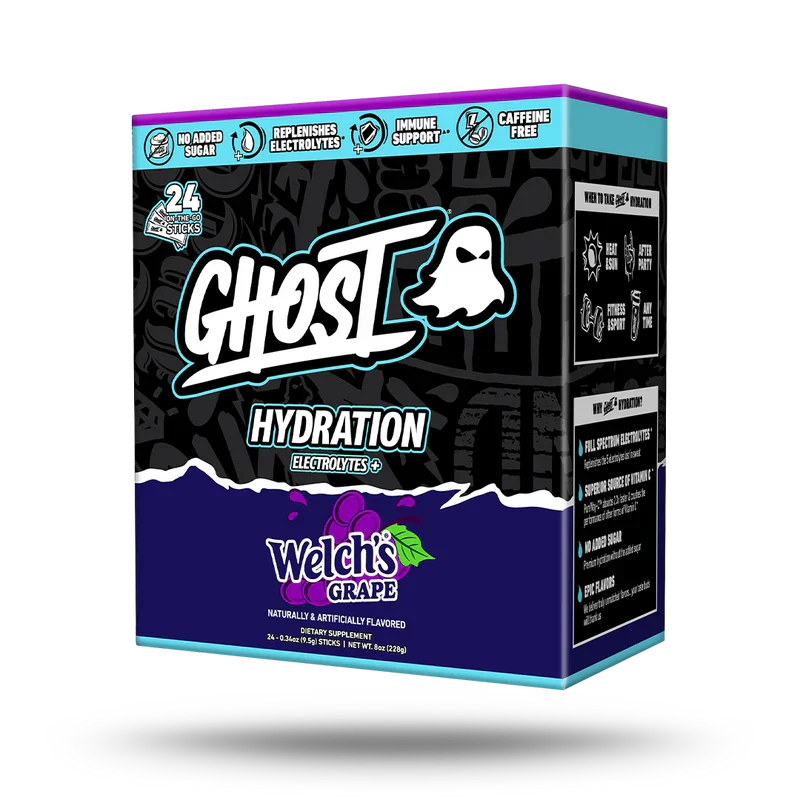
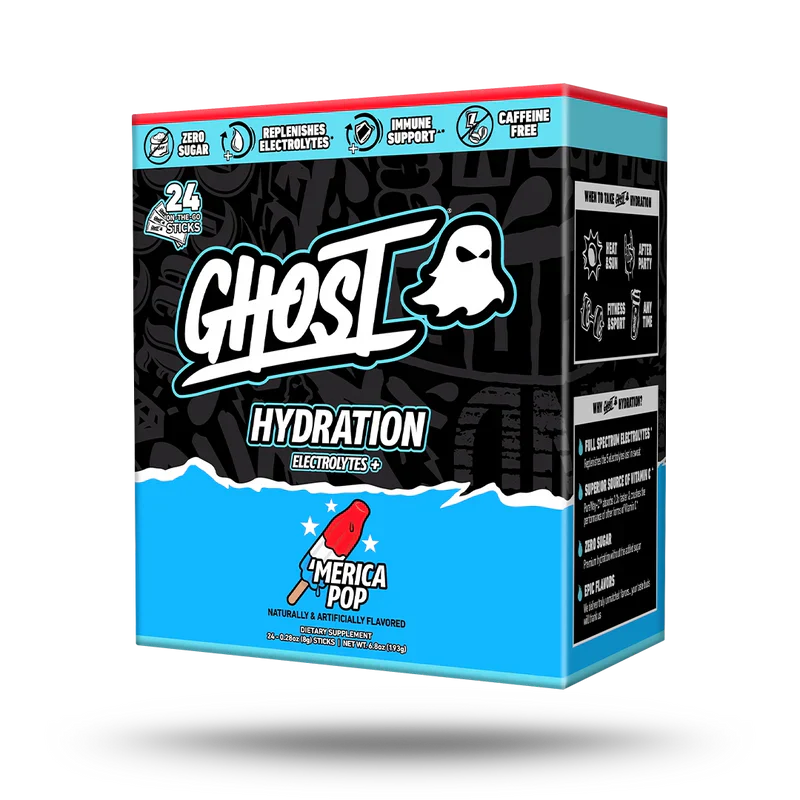
When it comes to electrolyte supplements, Ghost Hydration is our top pick at NF Supps. Here's why:
- Complete electrolyte profile — covers sodium, potassium, and magnesium for full-spectrum hydration support
- Zero sugar — no unnecessary calories or blood sugar spikes
- Vitamin C included — antioxidant support to combat exercise-induced oxidative stress
- Stimulant-free — use it any time of day, including post-workout and before bed
- Legendary Ghost flavors — actually tastes good, so you'll stay consistent with it
Consistency is everything with hydration. The best electrolyte supplement is the one you'll actually use every day — and Ghost Hydration makes that easy.
Shop Ghost Hydration at NF Supps
Ghost Hydration is available now at NF Supps — Cleveland's home for premium sports nutrition. Don't let low electrolytes be the thing holding your performance and recovery back.
Shop Hydration & Electrolytes at NF Supps →
Not sure which hydration product is right for your goals? Stop by our Cleveland store or reach out — we'll help you find the right fit for your training and lifestyle.


Leave a comment
This site is protected by hCaptcha and the hCaptcha Privacy Policy and Terms of Service apply.